
What Are Asanas? A Complete Guide to Yoga Postures and Their Importance
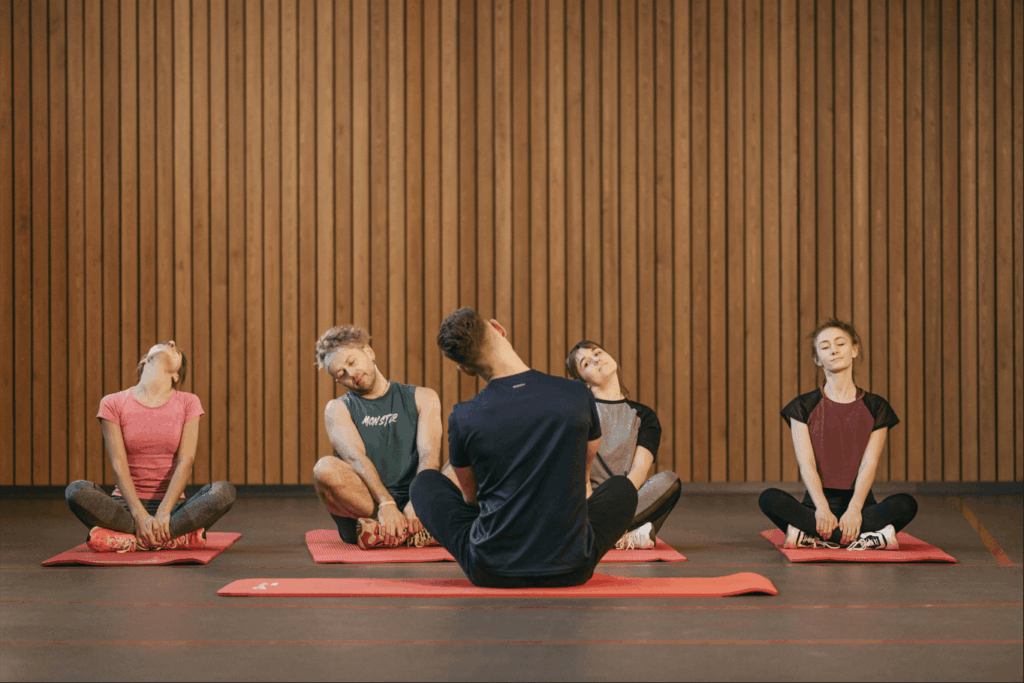
Yoga is far more than physical exercise—it is a comprehensive system for achieving harmony between body, mind, and breath. At the foundation of this system lie Asanas, the physical postures of yoga. The word “Asana” comes from Sanskrit and means “seat” or “posture.” Traditionally, asanas were developed to prepare the body for meditation by building strength, flexibility, and stability. Today, they are practiced worldwide for their profound physical, mental, and therapeutic benefits.
The Purpose of Asanas
Asanas are designed to create balance in the body. They stretch tight muscles, strengthen weak areas, improve joint mobility, and enhance circulation. Beyond physical fitness, asanas influence the nervous system, regulate breathing patterns, and cultivate mental focus. When practiced correctly and consistently, they promote overall well-being and prevent lifestyle-related disorders.
Unlike conventional workouts, yoga asanas combine movement with breath awareness. This mindful coordination improves body alignment and develops deeper self-awareness. Over time, practitioners experience increased energy, reduced stress, and improved emotional stability.
Major Categories of Asanas
Yoga postures are generally grouped into different categories based on body movement and position:
1. Standing Asanas
These build strength, stability, and endurance.
Tadasana (Mountain Pose)
Trikonasana (Triangle Pose)
Virabhadrasana I, II, III (Warrior Poses)
Vrikshasana (Tree Pose)
2. Sitting Asanas
These enhance flexibility and are often used for meditation preparation.
Sukhasana (Easy Pose)
Padmasana (Lotus Pose)
Vajrasana (Thunderbolt Pose)
Ardha Matsyendrasana (Half Spinal Twist)
3. Forward Bending Asanas
These calm the mind and stretch the back body.
Paschimottanasana (Seated Forward Bend)
Uttanasana (Standing Forward Bend)
Janu Shirshasana (Head-to-Knee Pose)
4. Backward Bending Asanas
These open the chest and improve spinal flexibility.
Bhujangasana (Cobra Pose)
Ustrasana (Camel Pose)
Dhanurasana (Bow Pose)
Setu Bandhasana (Bridge Pose)
5. Twisting Asanas
These detoxify internal organs and improve spinal mobility.
Ardha Matsyendrasana
Parivrtta Trikonasana (Revolved Triangle Pose)
6. Inverted Asanas
These improve circulation and stimulate the nervous system.
Sarvangasana (Shoulder Stand)
Halasana (Plow Pose)
Sirsasana (Headstand)
7. Balancing Asanas
These develop coordination and mental concentration.
Garudasana (Eagle Pose)
Natarajasana (Dancer Pose)
8. Relaxation Asanas
These allow the body to absorb the benefits of practice.
Shavasana (Corpse Pose)
Makarasana (Crocodile Pose)
Physical and Mental Benefits of Asanas
Regular practice of asanas improves posture, increases muscle tone, and enhances flexibility. They support healthy digestion, improve lung capacity, regulate blood pressure, and strengthen immunity. On a mental level, asanas reduce stress, sharpen focus, and promote emotional balance.
For individuals dealing with sedentary routines, back discomfort, or anxiety, yoga postures provide a natural and sustainable solution. When combined with pranayama and meditation, asanas become a complete wellness system.
Why Professional Guidance Matters
While asanas may appear simple, correct alignment and breath coordination are essential to prevent strain and maximize benefits. Practicing under trained supervision ensures safety and gradual progress. A structured yoga program also keeps practitioners motivated and consistent.
Conclusion
Asanas are not merely physical exercises; they are tools for self-transformation. They strengthen the body, calm the mind, and prepare the practitioner for deeper levels of awareness. Whether your goal is improved health, stress relief, flexibility, or spiritual growth, yoga asanas offer a practical and time-tested path.
Begin with basic postures, practice regularly, and experience how these ancient movements can create modern-day wellness. Your journey toward balance and vitality starts on the mat.